Sri Lanka’s National Medicines Regulatory Authority (NMRA) has appointed an expert committee to assess whether the Qdenga dengue vaccine should be approved for use in the country, as the island battles a worsening outbreak that has now claimed 58 lives this year.
Committee chairman and consultant physician Dr. Ananda Wijewickrama said an application had been received to register the vaccine locally, NewsFirst reported. The panel is to evaluate whether Qdenga is suitable for Sri Lankan conditions before any decision on approval is taken.
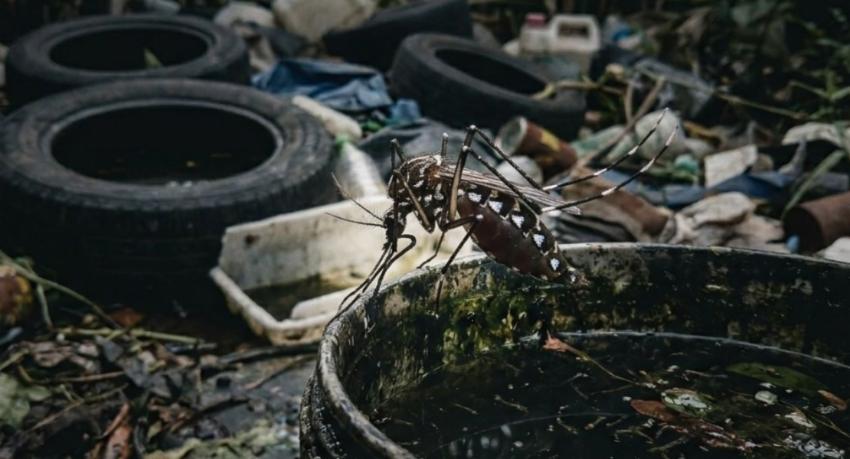
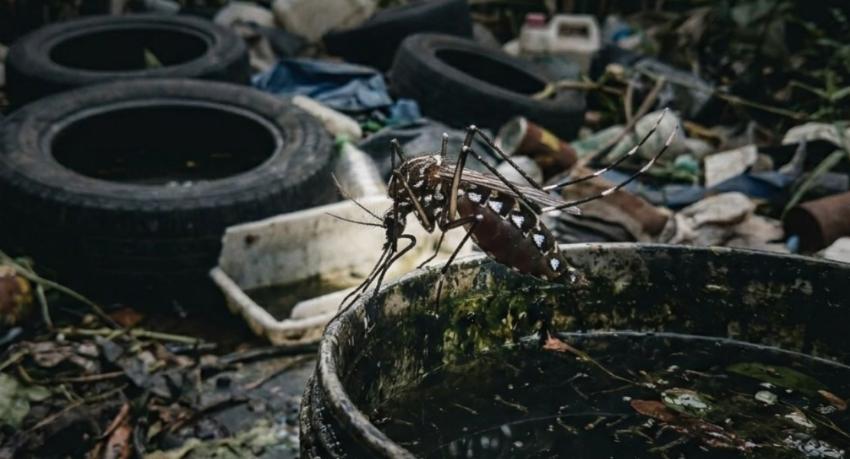
Qdenga is manufactured by Takeda Pharmaceuticals India, a subsidiary of Japan’s Takeda, and is designed to protect against dengue, which is spread by the Aedes mosquito. It is administered as two subcutaneous doses of 0.5ml each, given in a set sequence, with the second dose recommended three months after the first. The vaccine is intended for people aged between 4 and 60 years.
The review comes days after the Drugs Controller General of India granted the shot market authorisation — India’s first approved dengue vaccine — a decision closely watched across South Asia, where the disease is endemic and seasonal outbreaks routinely strain hospitals.
Sri Lankan health officials have stressed that a vaccine would complement, not replace, existing control measures such as eliminating mosquito breeding sites and the ongoing Wolbachia programme. Any rollout would ultimately depend on the committee’s findings, alongside questions of pricing, eligibility and supply.
Update — July 31: private sector to be allowed to buy the vaccine first
The government plans to permit the private sector to purchase the dengue vaccine once it is approved for use in Sri Lanka, Health Minister Dr. Nalinda Jayatissa said on Thursday.
The approval process is in its final stage, the Minister told reporters, and private-sector purchase will be permitted in the first stage of the rollout, in remarks reported by the Daily Mirror.
Jayatissa also said the Wolbachia mosquito-control method will be adopted for one and a half years starting in September. The technique involves releasing mosquitoes carrying Wolbachia bacteria, which suppress the insects’ ability to transmit dengue, and has been deployed in several countries as a complement to conventional vector control.
He said he expects both measures to contribute to controlling the spread of the disease.
The Minister did not say what the vaccine will cost, who will be eligible, or when a state-funded programme might follow the initial private-sector phase. The announcement comes with the outbreak still growing — the National Dengue Control Unit has recorded 84,724 cases and 62 deaths so far this year.