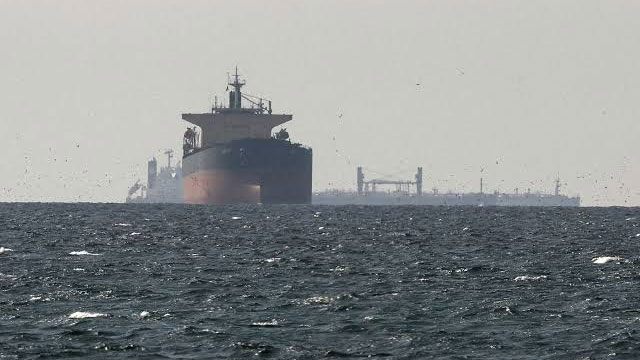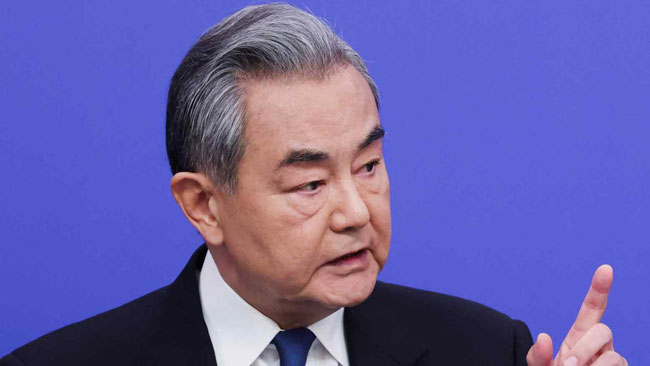
Chinese Foreign Minister Wang Yi told his Iranian counterpart Abbas Araghchi in a phone call late Wednesday that reopening the Strait of Hormuz was a “unanimous demand” of the international community — China’s sharpest public push yet on Tehran over the closed shipping lane.
In a statement carried by Chinese state media, Wang said Iran’s sovereignty, security and legitimate rights as a littoral state of the strait should be respected, but freedom of navigation and safety through the waterway had to be ensured.
“Working to resume normal passage of the strait is a unanimous call from the international community,” Wang was quoted as saying.
The Chinese foreign minister said the current situation had reached a critical juncture between war and peace, adding that the “window of peace was opening.”
Araghchi told Wang that Tehran was willing to continue seeking a “rational and realistic solution through peaceful negotiations.”
The call marks a shift from Beijing’s earlier neutral statements on the Iran war. It comes a day after Chinese President Xi Jinping met Russian FM Lavrov in Beijing, where Lavrov offered Russian energy supplies to offset Hormuz-related shortfalls. China appears to be coordinating diplomatic pressure on Iran while positioning itself as a mediator between Tehran and Washington.
Pakistan Army Chief Munir travelled to Tehran on Tuesday as part of the same diplomatic push, while Iran’s FM Baghaei signalled flexibility on nuclear enrichment levels — the most concrete concession since talks began.
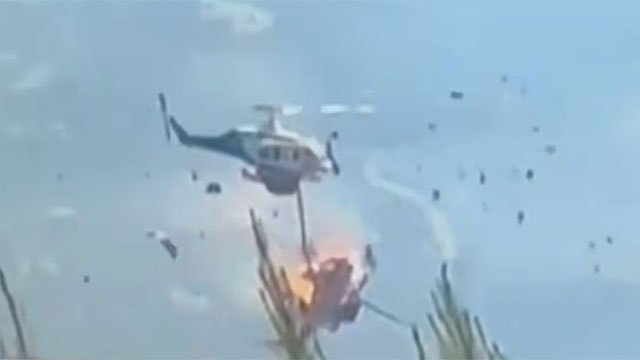
Sri Lanka, which has been rationing fuel since the strait’s closure and is paying premiums on every shipment that transits the disrupted corridor, is among the economies most exposed to the Hormuz impasse. Any sustained reopening would immediately ease pressure on the Ceylon Petroleum Corporation’s shipment schedule and cut the risk premium currently embedded in domestic fuel prices. A fire at Australia’s Geelong refinery on Wednesday added a second supply-side strain to an already tight global market.
Iran has previously tied any full reopening of Hormuz to war compensation from Washington, making Beijing’s direct push one of the clearest external levers on Tehran’s position to date.