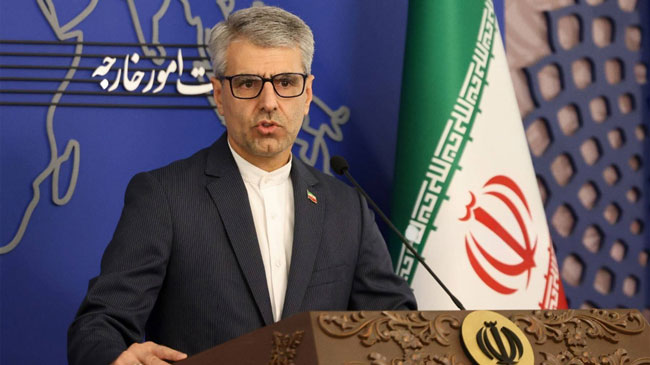
Iran’s Foreign Ministry spokesperson Esmail Baghaei said on Tuesday that the exchange of messages between Tehran and Washington is “continuing” through Pakistani intermediaries, and signalled notable flexibility on the nuclear enrichment question that derailed previous talks in Islamabad.
Baghaei told reporters that Iran must continue enrichment “based on its needs” but acknowledged there is “a possibility of dialogue about the type and level of enrichment” — language that marks a clear departure from Tehran’s earlier refusal to negotiate its nuclear programme.
Pakistan Mediation Deepens
Iran said it was “most likely” to host a Pakistani delegation on Tuesday, indicating the backchannel diplomacy that has kept the two sides communicating since the collapse of face-to-face talks on April 12 is intensifying. President Trump signalled over the weekend that negotiations could resume within days.
Baghaei rejected US claims that Iran is pursuing nuclear weapons, maintaining that the programme serves civilian energy purposes. However, the willingness to discuss enrichment levels represents the most significant concession since the crisis began, given that Iran’s absolute refusal on nuclear commitments was the specific issue Vice President Vance cited when declaring “no deal.”
Sri Lanka Implications
The diplomatic opening is directly relevant to Sri Lanka’s ongoing energy crisis. The Strait of Hormuz remains under effective restrictions, and the country continues to operate under fuel rationing. Any breakthrough in nuclear talks would be the prerequisite for a permanent reopening of the strait and relief for global oil prices.