The National Dengue Control Unit has identified 42 high-risk dengue zones across Sri Lanka as the country logs 27,754 confirmed cases as of May 11 and 14 deaths so far in 2026, with infections now reported from all 25 districts, NewsFirst and Ada Derana reported.
Acting Director of the National Dengue Control Unit Dr. Kapila Kannangara warned that case numbers are likely to rise in the coming days as monsoonal rain creates new mosquito breeding sites islandwide. Colombo district has reported the highest case load at 5,930, followed by Gampaha with 4,465 and Kalutara with 1,572. Community Medical Specialist Dr. Priscilla Samaraweera, briefing reporters at the Ministry of Health on Tuesday, said Matara, Galle, Ratnapura, Kalutara and Kandy districts had also reported significant numbers of cases in the first four months of 2026.
Dr. Samaraweera said mosquito breeding had increased at schools, workplaces, religious institutions and government and private organisations compared with households, with improper waste disposal a major contributing factor. Public Health Inspectors have been granted enforcement powers through Medical Officer of Health offices and may take legal action against owners of premises that continuously allow mosquito breeding, she said.
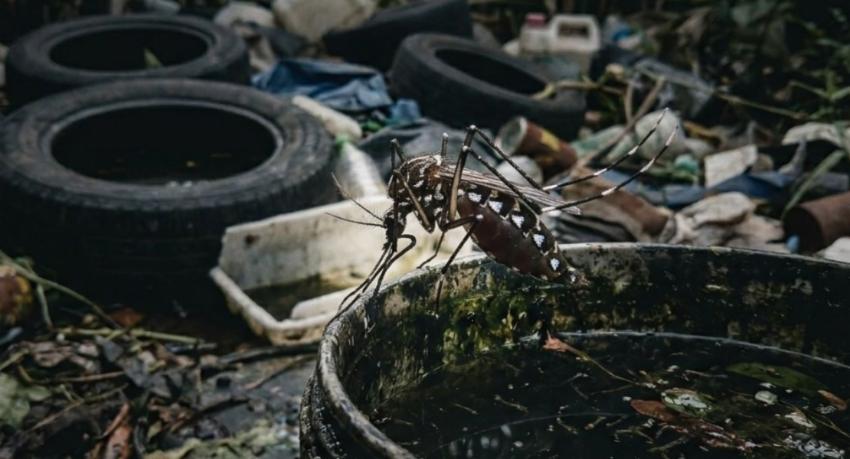
The disease is now climbing into the season when Aedes mosquito populations peak. Health officials have repeatedly flagged stagnant water around construction sites, abandoned tyres, and rooftop gutters as the dominant breeding sources during the south-west monsoon, while active eradication drives have been rolled out in 43 high-risk divisions and seven districts have been on heightened watch since April.
The Ministry of Health has urged residents in high-risk zones to inspect their premises weekly, clear standing water, and seek medical attention promptly for unexplained fever, severe headache, joint pain or rash — particularly during the typical day-three to day-six window when complications including dengue haemorrhagic fever can emerge. The Met Department has forecast continued heavy showers across the Western, Sabaragamuwa, Southern, North-Western and Northern provinces this week, compounding the breeding-site risk.
The 14 deaths so far in 2026 reflect a fatality pattern consistent with prior years, though the unit warned that even small delays in seeking care during severe infection can be lethal.