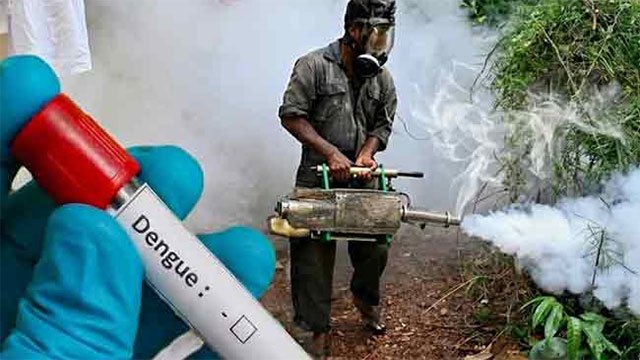
Sri Lanka has recorded more than 56,000 dengue cases so far in 2026, with 21,556 reported in June alone — the highest single-month total this year — as public health authorities warn the outbreak is not yet under control.
Dr. Kapila Kannangara, Acting Director of the National Dengue Control Unit, disclosed the June figures as a three-day islandwide mosquito control programme began on July 2. The drive is being coordinated by the Ministry of Public Administration, Provincial Councils and Local Government.
The Public Health Inspectors’ Union said the “hyper-epidemic” is not yet contained. Acting President Upul Rohana said that while conditions had eased in some areas where cases first surged, new outbreaks were emerging elsewhere. He urged the public not to scale back prevention efforts and warned that intermittent showers could further raise already high mosquito densities.
Rohana identified unoccupied premises — including houses where owners have travelled abroad — as a major obstacle to control efforts.
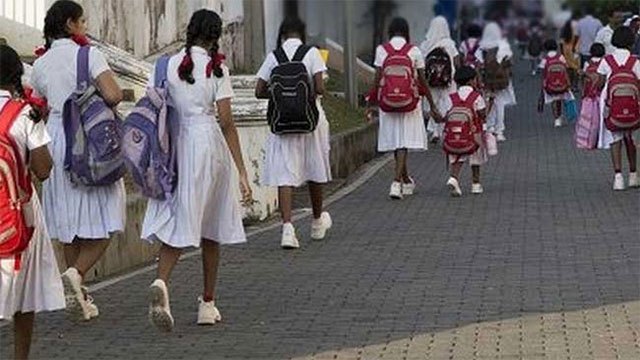
The University of the Visual and Performing Arts in Colombo has been closed until July 13 in response to rising cases in its area, with hostels also shut. Professor Wasantha Liyanage, Vice-Chairman of the University Grants Commission, said the spread had increased near university hostels in Rajagiriya and Dehiwala.
The operations centre set up to handle dengue-related complaints has received 207 reports in the past week, with the majority relating to premises where water was stagnating and mosquito larvae had been found. The public can report suspected breeding sites on 0117 966 366.
The 56,000 total marks a sharp acceleration from the 46,037 case count reported in mid-June and confirms 2026 as one of the heaviest dengue years on record. Health authorities have reported 35 deaths so far this year.