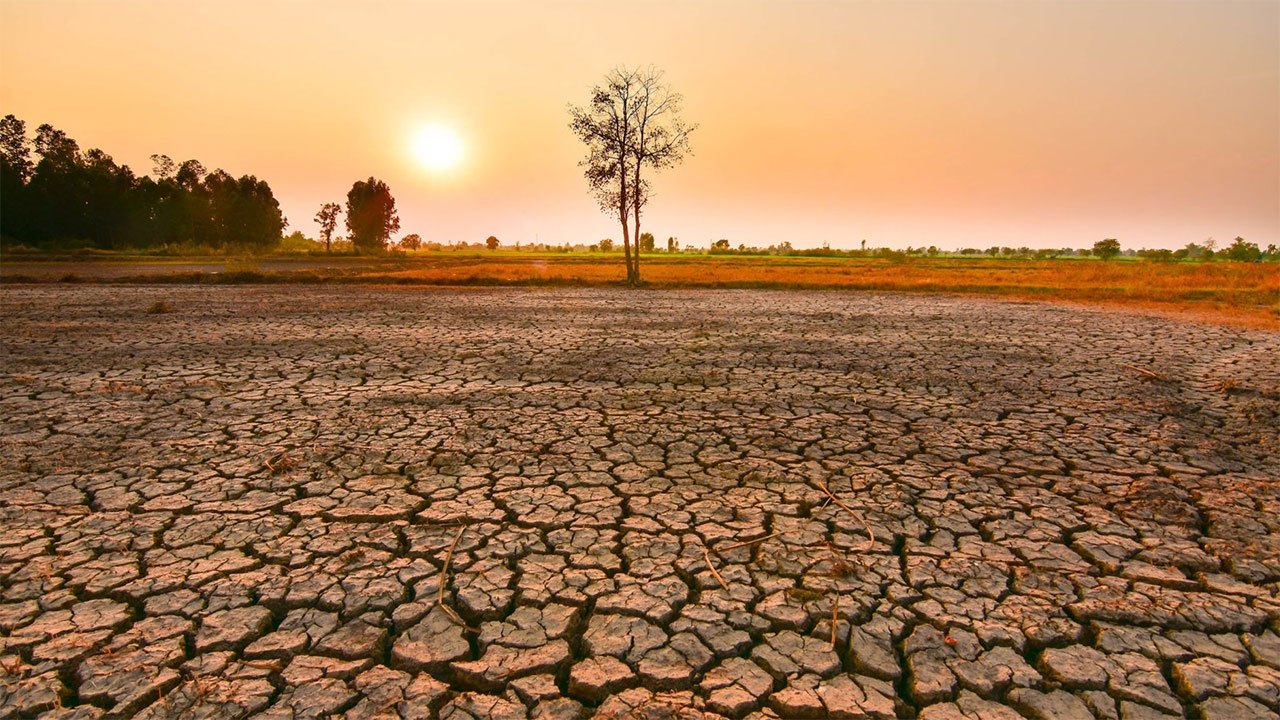
The Disaster Management Centre has warned that the looming El Niño event could be severe enough to force Sri Lanka to consider desalinating seawater to meet domestic drinking water demand.
Speaking at a media briefing in Colombo, DMC Additional Secretary K.G.B. Dharmathilaka said the forecast event could be unprecedented in its impact, with the country’s major water sources at risk of drying up entirely. He urged ministries and local authorities to prepare in advance rather than wait for emergency conditions.
“We have never heard of an El Niño situation like this before,” Dharmathilaka told reporters. “Normally, we supply water to the entire country for a month during the rainy season through the National Disaster Relief Services Centre. But if this El Niño situation occurs, the existing bowsers will not be sufficient to distribute water in large quantities. Water sources may dry up completely, leaving no sources to obtain water. We may also have to consider purifying seawater and distributing it.”
The warning aligns with separate forecasts from the World Meteorological Organization, which has flagged a potentially strong El Niño event for the first time in a decade, and Sri Lanka’s Department of Meteorology, which has indicated drought conditions are likely in July and August.
El Niño is a global climate phenomenon driven by warmer-than-normal Pacific Ocean surface temperatures that disrupts rainfall patterns worldwide. Forecasters expect Sri Lanka, India and Australia to record below-normal rainfall and severe drought.
The desalination warning follows the Food Policy and Security Committee meeting at the Presidential Secretariat, which prioritised Yala-season reservoir storage and drinking water as preparedness focus areas. Irrigation reservoirs are currently at 63% of capacity, still adequate but already drawing concern as the southwest monsoon weakens.