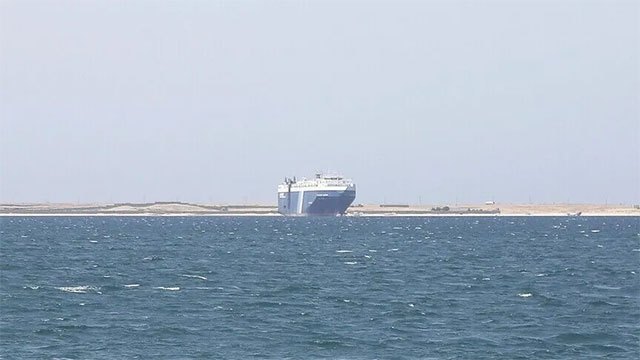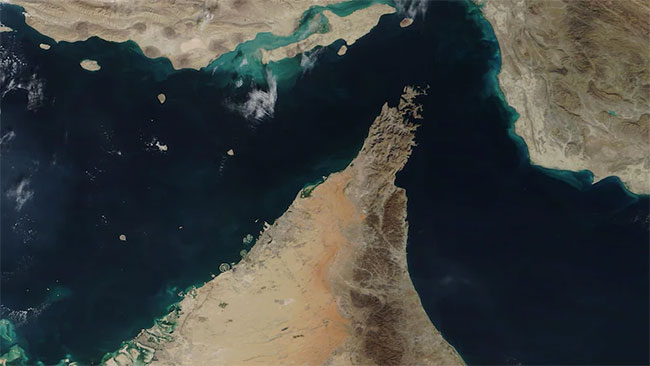
Iran is unable to fully reopen the Strait of Hormuz because it cannot locate all the sea mines it planted in the waterway, the New York Times reported on Saturday citing US officials.
Iran used small boats to mine the strait after US-Israeli joint airstrikes over stalled nuclear talks. According to American officials, the mines were placed “haphazardly” — Iran did not clearly record their positions, and some were deployed in ways that allowed them to drift from their original locations.
The revelation explains why the strait remains hazardous even as ceasefire talks continue in Islamabad. Iran has acknowledged the danger by issuing alternative shipping routes via Larak Island, but the untracked mines represent a risk that routing changes alone cannot eliminate.
US declares clearing operation
Separately, President Trump announced on Truth Social on Saturday that US forces have begun clearing the strait. “We’re now starting the process of clearing out the Strait of Hormuz,” Trump wrote, adding that “all 28” of Iran’s “mine dropper boats are also lying at the bottom of the sea.”
The Hormuz passage carries approximately 25 percent of the world’s oil supply and 80 percent of India’s energy imports.
Implications for Sri Lanka
The mine-clearing timeline directly affects Sri Lanka’s fuel import costs. The Ceylon Petroleum Corporation has secured nine April shipments, but maritime insurance premiums remain elevated while the mine threat persists. Full navigational clearance could take weeks, meaning fuel pricing relief may lag behind any ceasefire progress.
If the US operation succeeds in neutralising the mine hazard, shipping costs through the strait could normalise — supporting the case for the fuel price reductions demanded by Sri Lanka’s opposition parties.