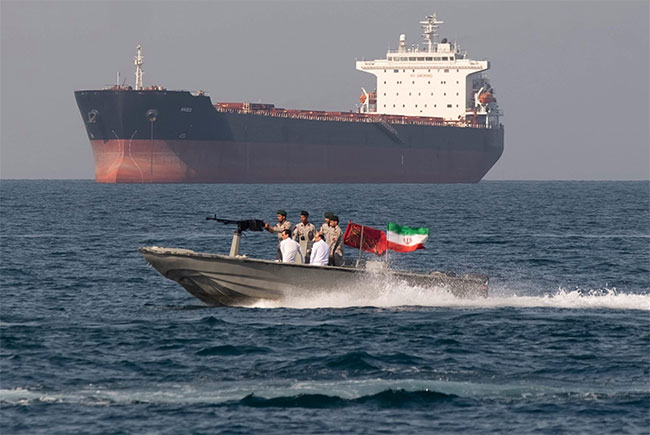
Iran’s Deputy Parliament Speaker has declared that the Strait of Hormuz remains “in Iran’s hands” and that toll payments must be made by vessels transiting the critical waterway, directly challenging the US naval blockade announced hours earlier by President Donald Trump.
The statement represents a defiant posture from Tehran’s legislature in the aftermath of the collapse of 21-hour US-Iran talks in Islamabad and Trump’s order for an immediate naval blockade of the strait.
Iran has maintained its claim to sovereign control over the Hormuz shipping lanes since the onset of the conflict. In early April, Tehran and Oman announced plans to levy transit fees on ships passing through during the two-week ceasefire. The latest parliamentary assertion goes further, framing toll collection as a matter of national sovereignty rather than a temporary wartime measure.
The stance sets up a direct confrontation with Washington. Trump specifically warned that US forces would intercept vessels that paid tolls to Iran and would begin clearing mines allegedly placed in the waterway. With both sides now claiming authority over Hormuz — the US through military blockade, Iran through sovereignty claims — the risk of a naval incident has escalated.
For Sri Lanka, the standoff means continued uncertainty over fuel shipments. Roughly 20 percent of global seaborne oil transits Hormuz, and any persistent disruption or toll regime would add costs to Colombo’s already-strained fuel import arrangements.