Iran has formally tied a Hezbollah-Israel ceasefire to the broader US-Iran interim deal now under negotiation, demanding that Israel withdraw from southern Lebanon as a precondition for any agreement to end the four-month regional war and reopen shipping through the Strait of Hormuz.
“This war will end only when it ends in Lebanon as well,” Iranian Foreign Minister Abbas Araqchi told Lebanese broadcaster Al Mayadeen late on Thursday, in remarks carried by Ada Derana. “The end of the war on Lebanon must be accompanied by the withdrawal of Israeli forces from the territories they have occupied.”
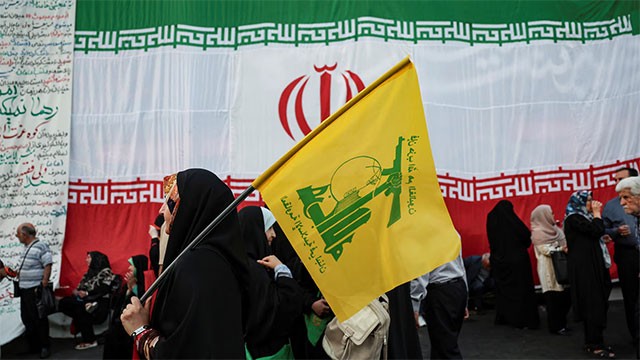
The Araqchi statement is the first explicit Tehran linkage of the two tracks since Hezbollah leader Naim Qassem rejected a US-brokered Lebanon-Israel pact on Thursday on the grounds that the deal did not provide for an Israeli withdrawal and excluded Hezbollah from the negotiations. France has separately argued for Lebanon to be folded into the US-Iran track, a position Tehran now formally backs.
Mohsen Rezaei, an adviser to Iran’s supreme leader, told Mehr news agency that Hezbollah had “made great sacrifices in the recent war and it is our ally”, warning Israel that “Lebanon will be an inseparable part of any agreement and any ceasefire”. Lebanese parliament speaker Nabih Berri said on Friday he would back a Hezbollah withdrawal from southern Lebanon if Israeli troops simultaneously left occupied territory in the country.
The Lebanese government has objected to being used as leverage. President Joseph Aoun told CNN on Friday that Iran’s Islamic Revolutionary Guard Corps was treating Lebanon as a “bargaining chip” with Washington — language he called “unacceptable”.
Hezbollah said on Friday it had carried out two attacks on Israeli troops in southern Lebanon, including near the recently captured Beaufort Castle, while Lebanese security services reported Israeli airstrikes on towns across the south. Iran’s navy separately said it had fired warning shots at US destroyers in the Gulf of Oman; the US Central Command rejected the claim and said no such incident occurred. An alleged drone attack briefly suspended oil loading at Oman’s Mina al Fahal terminal before operations resumed.
Hormuz traffic remains a fraction of pre-war levels, with the waterway previously carrying about a fifth of global oil and LNG supplies. The disruption continues to drive Sri Lanka’s fuel import bill higher and has, as the UN World Food Programme warned again on Friday, pushed millions of people closer to hunger on rising transport and energy costs.
The US-Iran interim deal under indirect negotiation would leave Iran’s nuclear programme to a later phase. Tehran wants access to billions of dollars in oil revenue, sanctions waivers on crude exports, the lifting of the US naval blockade on its ports and a measure of control over the Strait. President Donald Trump, who has said publicly that an outline is in place, faces growing domestic pressure over the war’s duration and cost.
Source: Ada Derana.