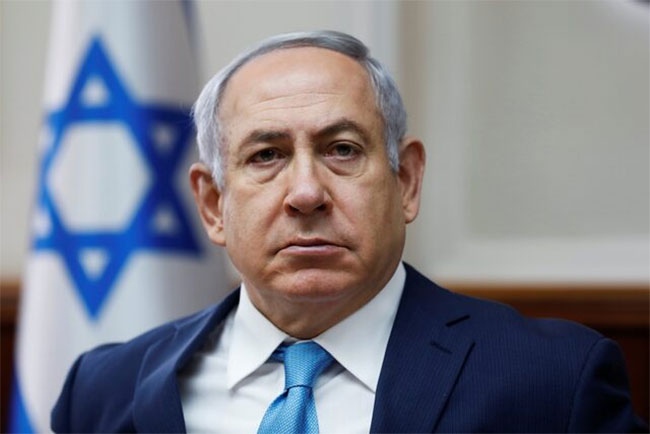
Israeli Prime Minister Benjamin Netanyahu said there is “work to be done” in Iran, acknowledging Tehran retains many of the capabilities it had at the start of the war.
In a preview of an interview with CBS “60 Minutes,” Netanyahu said the joint US-Israeli war on Iran “accomplished a great deal, but it’s not over.” Iran, he said, has not given up its enriched uranium or dismantled its nuclear sites, has not stopped supporting its regional proxies, and has not agreed to any limits on its ballistic missile programme. “Now, we’ve degraded a lot of it, but all of that is still there. and there’s work to be done,” Netanyahu said.
Pressed on how to handle the highly enriched uranium that remains a central goal of negotiations, Netanyahu said the stockpile could be removed from Iran physically. “I’m not going to talk about military means, but what President Trump has said to me — ‘I want to go in there’ — and I think it can be done physically,” he said. “That’s not the problem. If you have an agreement, and you go in and you take it out. Why not? That’s the best way.” He declined to give a timeline, calling the removal of the enriched uranium a “terrifically important mission.”
The remarks contrast with Netanyahu’s earlier framing that Iran’s nuclear ambitions had been “foiled” and the campaign had achieved its key objectives. The CBS interview revives the prospect of further Israeli action, even as Iran has delivered its formal response to a US war-ending proposal carried by Pakistani mediators, and as the April 8 ceasefire remains nominally in effect despite continued clashes around the US naval blockade of Iranian ports.
For Sri Lanka, the prospect of a renewed Israeli campaign against Iranian nuclear or missile sites would extend the maritime risk premium that has driven up fuel import costs and disrupted shipping through the Strait of Hormuz since the war began.
Source: Ada Derana (CNN / Agencies).