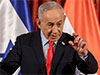
Israeli Prime Minister Benjamin Netanyahu declared on Saturday that the military campaign against Iran is “not yet over,” while claiming Israel had achieved “historic” results including the foiling of Iran’s nuclear ambitions.
In a video statement, Netanyahu said existential threats to Israel have been removed, positioning the Israeli military campaign as having achieved its strategic objectives independently of diplomatic negotiations. He did not specify what further military action may be planned.
The statement comes as US Vice President JD Vance departed Islamabad without a deal after more than 21 hours of negotiations collapsed over Iran’s refusal to commit to not developing nuclear weapons. The nuclear sticking point transformed what began as a ceasefire negotiation into a non-proliferation standoff.
Netanyahu’s framing contrasts sharply with the diplomatic track — while Washington sought a negotiated end to hostilities, Israel appears to view the military gains as sufficient strategic outcomes regardless of whether talks succeed.
The ongoing conflict continues to drive Sri Lanka’s energy crisis. The Strait of Hormuz remains under uncertain status following the fragile two-week ceasefire, and the collapse of nuclear talks puts the entire ceasefire window in doubt. Sri Lanka’s fuel supply outlook and oil import costs remain directly exposed to any further escalation.