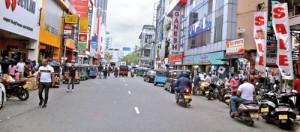
Pettah, Colombo’s busiest commercial district, was unusually quiet this Avurudu season, with streets that normally teem with shoppers and gridlocked traffic showing noticeably thin crowds, the Sunday Times reported.
The paper attributed the subdued turnout to declining purchasing power as fuel and essential goods prices soared in the wake of the US-Israel conflict with Iran that began on February 28. The Middle East crisis triggered a cascade of domestic price hikes — LP gas rose sharply in early April, pushing up restaurant meal costs and banquet catering prices across the country.
The cost of preparing a traditional Avurudu kevili table rose 7% this year compared to 2025, adding to the financial strain on families already adjusting to fuel rationing and higher transport costs.
The scene at Pettah — typically the barometer of seasonal consumer sentiment in Colombo — provides a street-level illustration of the economic pressures the government’s Rs. 100 billion relief package is designed to address. The package includes electricity subsidies, fertiliser support and concessional loan interest rates aimed at cushioning vulnerable households.
Despite the subdued shopping, special bus services and islandwide security deployments were mounted for the Avurudu holiday period, which runs through April 14.