US Secretary of State Marco Rubio said on Tuesday that negotiating a deal with Iran could “take a few days,” quashing hopes of an imminent end to the conflict a day after Washington conducted what it called defensive strikes in southern Iran.
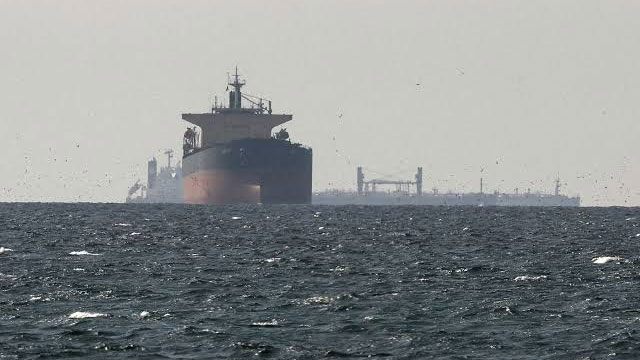
Speaking to reporters aboard his plane in Jaipur, India, Rubio insisted the Strait of Hormuz must reopen regardless of the diplomatic outcome. “The straits have to be open, they’re going to be open one way or the other, so they need to be open,” he said. He added that a “pretty solid thing” was on the table over reopening the strait, alongside a “very real, significant, time-limited negotiation on the nuclear matter.”
The remarks followed Monday’s US strikes on Iranian mine-laying boats and a Bandar Abbas air-defence battery — the first confirmed US action since the early-April ceasefire. US Central Command said the strikes were designed “to protect our troops from threats posed by Iranian forces,” and officials stressed the truce remains in effect. Iran said it downed a “hostile” stealth drone the same day.
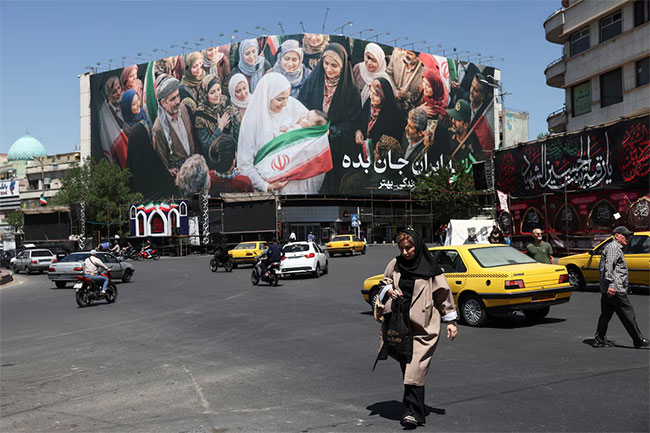
The attacks came as Iran’s top negotiator and foreign minister met Qatar’s prime minister in Doha, with talks focused on Hormuz and Tehran’s stockpile of highly enriched uranium. Iran’s central bank governor attended to discuss a potential release of frozen funds. Foreign ministry spokesman Esmaeil Baghaei said nuclear issues would only be negotiated after a framework accord, and that a reported plan to clear Hormuz mines within 30 days carried no toll charges, though services such as navigation would be billed under a protocol with Oman.
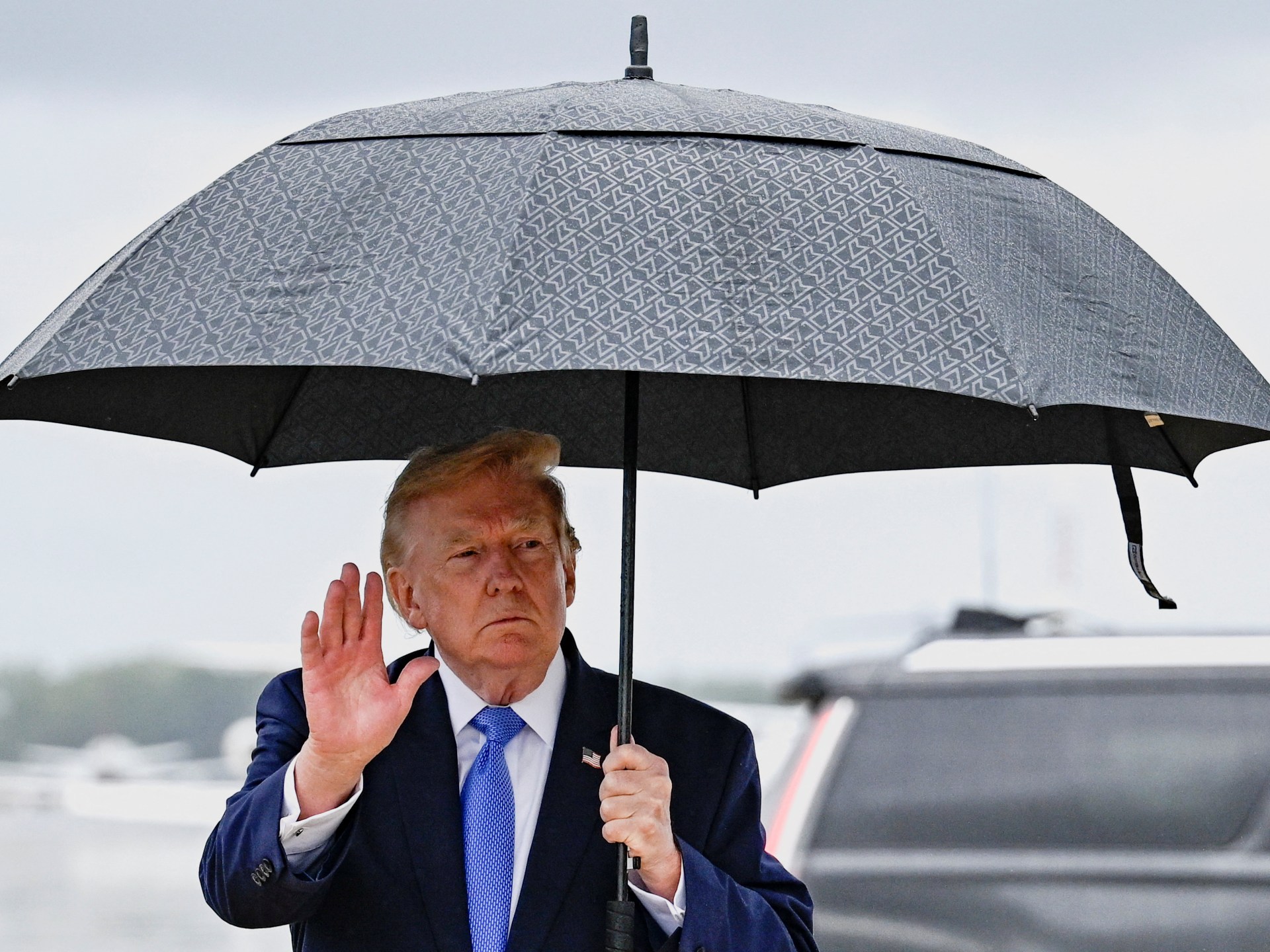
President Donald Trump said the talks were going “nicely” but warned of fresh attacks if they failed, writing that any outcome “will only be a Great Deal for all, or no Deal at all.” Rubio had said a day earlier the US would give diplomacy every chance before dealing with Iran “another way”. Resolution of the standoff is central to Sri Lanka’s fuel-import costs, with the first tankers having exited Hormuz on Sunday.