Despite ordering a US Navy blockade of the Strait of Hormuz after nuclear talks collapsed in Islamabad, both Washington and Tehran signalled on Sunday that diplomacy is not dead.
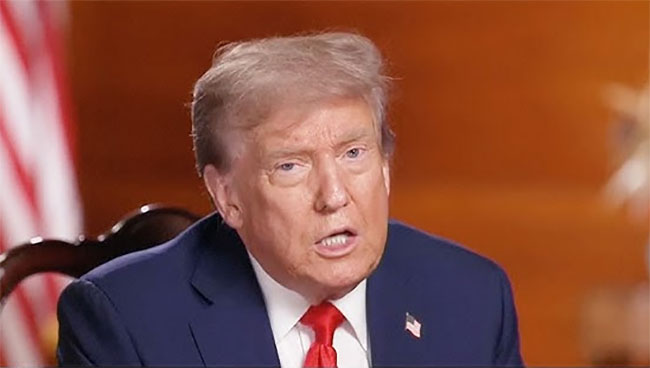
US President Donald Trump told Fox News’ “Sunday Morning Futures” that he expects Iran to return to the negotiating table. “I predict they come back and they give us everything we want. I want everything… They have no cards,” Trump said, adding that Iran would “never possess nuclear weapons.”
Trump defended his earlier “civilization will die” threat, claiming it brought Iran to talks. “When I say about a civilization, it really has changed. They’re allowed to say ‘Death to America,’ and I make one statement and they say, oh, such a big deal. That statement got them to the bargaining table and they haven’t left it.”
On the Iranian side, Foreign Ministry spokesperson Esmaeil Baghaei struck a markedly different but equally open tone. Speaking to Iranian media, Baghaei said the two sides had “reached an understanding on a number of issues” but acknowledged “differences of opinion on two to three important” matters.
“These negotiations were held after 40 days of imposed war, and were held in an atmosphere of mistrust and suspicion. It is natural that we should not have expected from the beginning to reach an agreement within one meeting. No one expected that either,” Baghaei said.
The parallel statements suggest both sides are keeping the diplomatic channel open even as the US Navy enforces a blockade and the Strait of Hormuz remains effectively closed — a situation that continues to disrupt global oil supplies and Sri Lanka’s fuel security.
The nuclear question — Iran’s refusal to halt enrichment — remains the key sticking point that derailed the Islamabad talks.