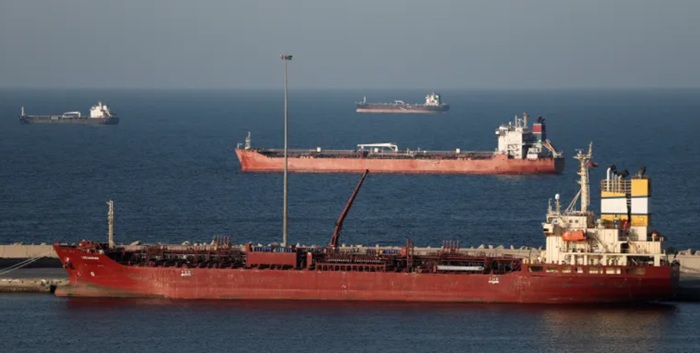
US Treasury Secretary Scott Bessent has declared that the naval blockade of Iranian ports will prevent China from continuing to purchase Iranian oil, escalating the economic dimension of the Hormuz crisis.
“They’re not going to be able to get their oil. They can get oil. Not Iranian oil,” Bessent told reporters on Tuesday, confirming the blockade’s primary economic target.
China Labelled ‘Unreliable Partner’
Bessent accused China of being an “unreliable global partner” three times in five years — during the COVID-19 pandemic when Beijing hoarded medical supplies, over rare earth export restrictions, and now for stockpiling oil while global markets face a supply crunch.
China purchases more than 90 percent of Iran’s oil exports, representing approximately 8 percent of China’s total annual oil imports. Beijing’s strategic petroleum reserve is roughly equivalent in size to the entire 32-member International Energy Agency reserve.
Bessent said he had raised the issue directly with Chinese officials. Chinese embassy spokesperson Liu Pengyu responded by calling for “an immediate end to military operations” in the Middle East.
Diplomatic Tensions
When asked whether the dispute could derail President Trump’s planned mid-May visit to Beijing, Bessent declined to comment directly but said the bilateral relationship maintained “great stability” since last summer.
The remarks came a day after the IMF, World Bank and IEA urged all countries to avoid hoarding energy supplies or imposing export controls — without naming China specifically.
For Sri Lanka, the blockade’s effectiveness in cutting off the China-Iran oil trade is a key variable for fuel prices. Oil remains above $100 per barrel, and CPC supply planning depends heavily on whether global supply disruptions ease or deepen. Independent tracking by BBC Verify suggests ships are still crossing Hormuz despite CENTCOM’s claims, raising questions about how tightly the blockade is actually being enforced.