Chinese President Xi Jinping has made his most substantive public comments on the Middle East conflict, warning that the world must not be allowed to “revert to the law of the jungle” and laying out four proposals for peace in the region.
The remarks, delivered six weeks after the US and Israeli attack on Iran plunged the region into conflict, mark a shift from Beijing’s previous posture of urging restraint while denying weapons supply to Iran. Xi’s formal peace proposals represent China’s most active diplomatic engagement yet in the crisis.
Walking a careful line
China has maintained a delicate balancing act throughout the conflict. While formally calling for restraint, Beijing joined Russia in vetoing a UN Security Council resolution that would have addressed the Hormuz shipping crisis — drawing criticism from Western nations and affected developing countries.
A Chinese-linked tanker recently tested the US blockade by transiting the Strait of Hormuz, further complicating Beijing’s stated neutrality.
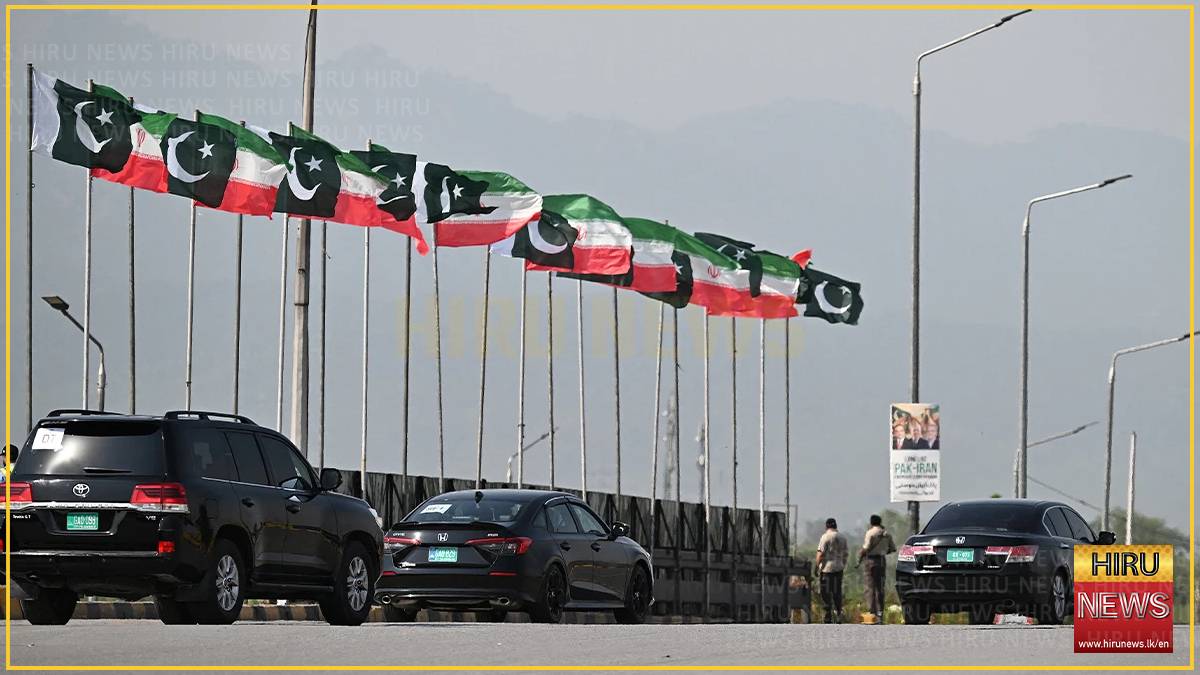
Xi’s four proposals, while not yet detailed publicly, signal that China may seek a more visible mediating role alongside Pakistan, which has been hosting talks between Washington and Tehran.
For Sri Lanka, which has positioned itself within a Global South peace coalition on the crisis, China’s more active diplomacy could provide additional support for developing nations bearing the brunt of energy disruption.