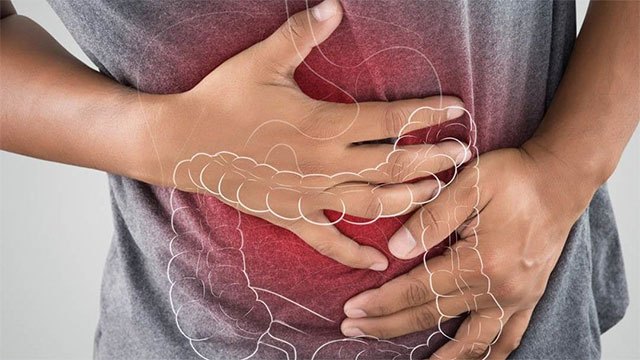
Intestinal disorders are being seen more frequently among adolescents and young adults in Sri Lanka, Consultant Gastroenterologist and Hepatologist Dr. Supun Kulathunga said this week.
Speaking at a media briefing at the Health Promotion Bureau, Dr. Kulathunga said a growing preference among young people for processed and artificial foods may be contributing to the increase.
He pointed to the gut-brain axis — the two-way connection between the digestive system and the brain — as a mechanism through which stress and anxiety can affect digestion.
Stress, lifestyle and diet
Dr. Kulathunga said the combination of psychological stress, changing lifestyles and unhealthy eating patterns can contribute to Irritable Bowel Syndrome, a functional disorder of the digestive tract.
IBS is becoming more common as eating habits shift, he said, with many young people moving away from natural foods such as vegetables, fruits, leafy greens and grains, and turning instead to processed products for their convenience.
He urged greater attention to healthy dietary habits, saying the move away from natural foods could be driving the rise in intestinal complaints among young people.
Part of a wider dietary picture
The warning adds to a series of recent public health interventions in Sri Lanka on diet. The Health Ministry has previously moved to restrict junk food sales in school canteens, and specialists have described a nutrition paradox in which undernutrition and diet-related disease occur alongside each other in the same population.
Dr. Kulathunga did not present figures for the scale of the increase, and the briefing did not include prevalence data for IBS in Sri Lanka.