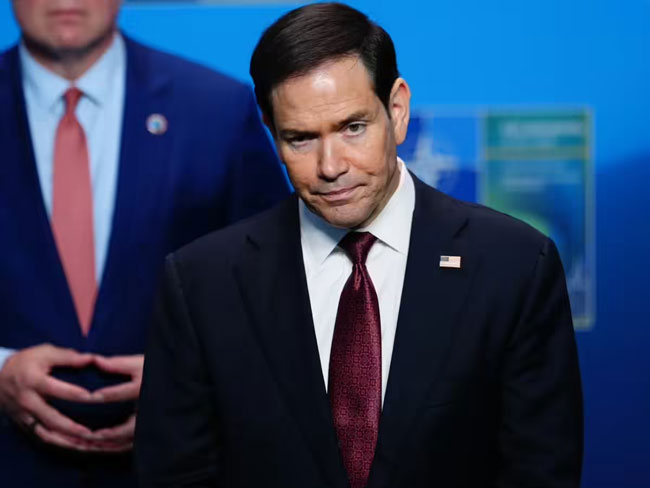
US Secretary of State Marco Rubio said on Friday that talks with Iran have made “some progress” but more work is required, telling reporters after a meeting of NATO foreign ministers in Sweden that Washington is “not there yet” on a deal to end the 12-week war, Ada Derana reported, citing Reuters.
“There’s been some progress. I wouldn’t exaggerate it. I wouldn’t diminish it,” Rubio said. “There’s more work to be done. We’re not there yet. I hope we get there.”
He reiterated his Thursday position that Iran’s proposed tolling system for the Strait of Hormuz — through which roughly a fifth of global oil and LNG trade normally moves — is “unacceptable.” He said the US had not asked NATO for help on Hormuz but that Washington needed a “Plan B” if Iran refused to reopen the waterway. “We’re dealing with a very difficult group of people, and if it doesn’t change, then the president’s been clear he has other options.”
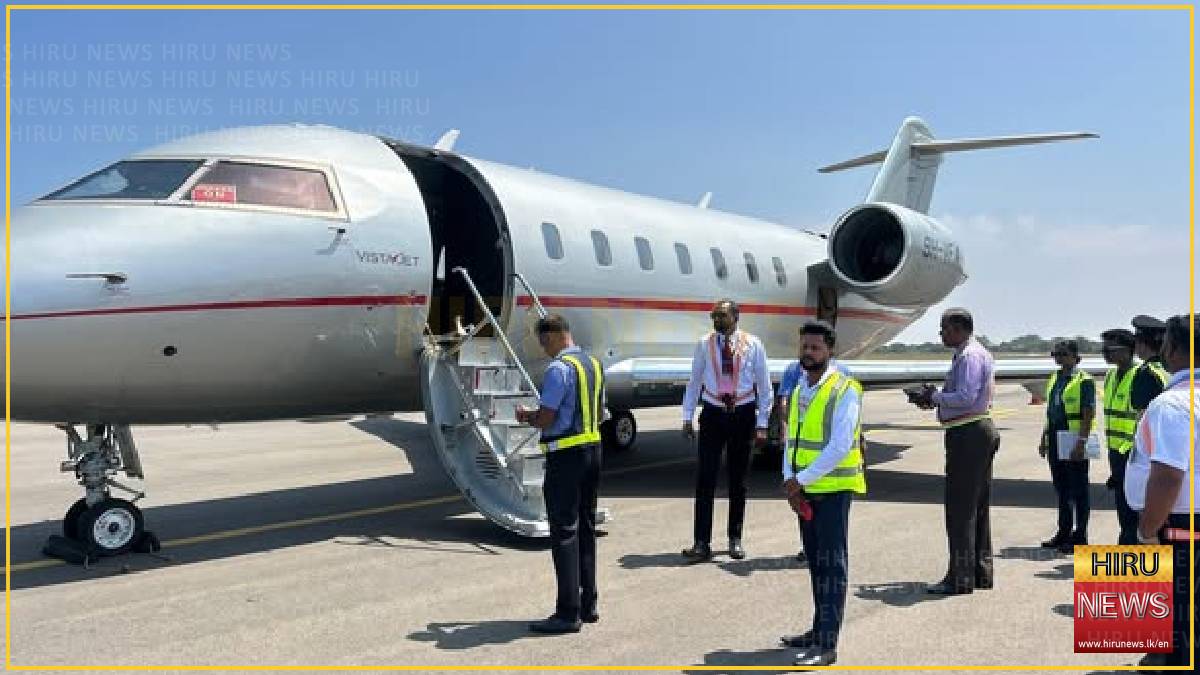
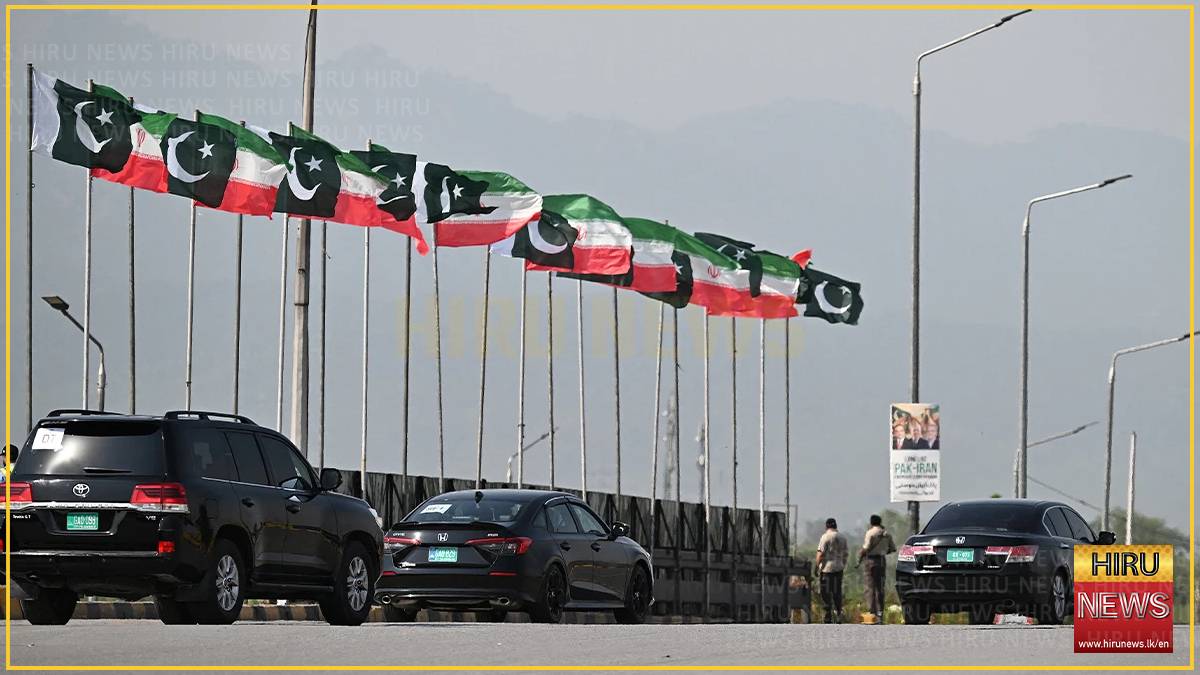
Diplomatic activity intensified the same day. Pakistani Interior Minister Syed Mohsin Naqvi held a second round of talks with Iranian Foreign Minister Abbas Araqchi in Tehran, two days after delivering Washington’s latest message, the semi-official Tasnim agency reported. A Qatari negotiating team coordinating with the United States also arrived in Tehran on Friday, Reuters said. Qatar — a key Israel-Hamas mediator — had previously distanced itself from this conflict after coming under Iranian missile and drone fire.
Markets reacted nervously. The US dollar climbed near a six-week high and oil prices rose as investors doubted an imminent breakthrough. “We’re coming to the end of week 12, we’re six weeks in the ceasefire, and I’m just not really that convinced we’re any closer to a resolution between the U.S. and Iran,” IG market analyst Tony Sycamore said.
President Donald Trump said the US would eventually recover Iran’s stockpile of highly enriched uranium, which Washington believes is destined for a weapon. Two senior Iranian sources told Reuters before Trump’s remarks that Supreme Leader Ayatollah Mojtaba Khamenei had ordered that the uranium not be sent abroad.
Iran’s latest offer, submitted to the US earlier in the week, largely repeats terms Trump has previously rejected: control of the Strait of Hormuz, compensation for war damage, lifting of sanctions, release of frozen assets and withdrawal of US troops. Traffic through the strait has fallen to a trickle compared with 125–140 daily passages before the war; the IRGC Navy said 35 commercial vessels passed in the last 24 hours after obtaining its permission.
The Hormuz disruption has driven Sri Lanka’s oil import bill from USD 152 million in December to USD 521 million in May and triggered a sharp rupee slide mid-week.
Source: Ada Derana (Reuters).