
Politics The Prime Minister said a task force will map all schools and define education division and zone boundaries, while a needs-based resource policy is drawn up.
Nov 23, 2026
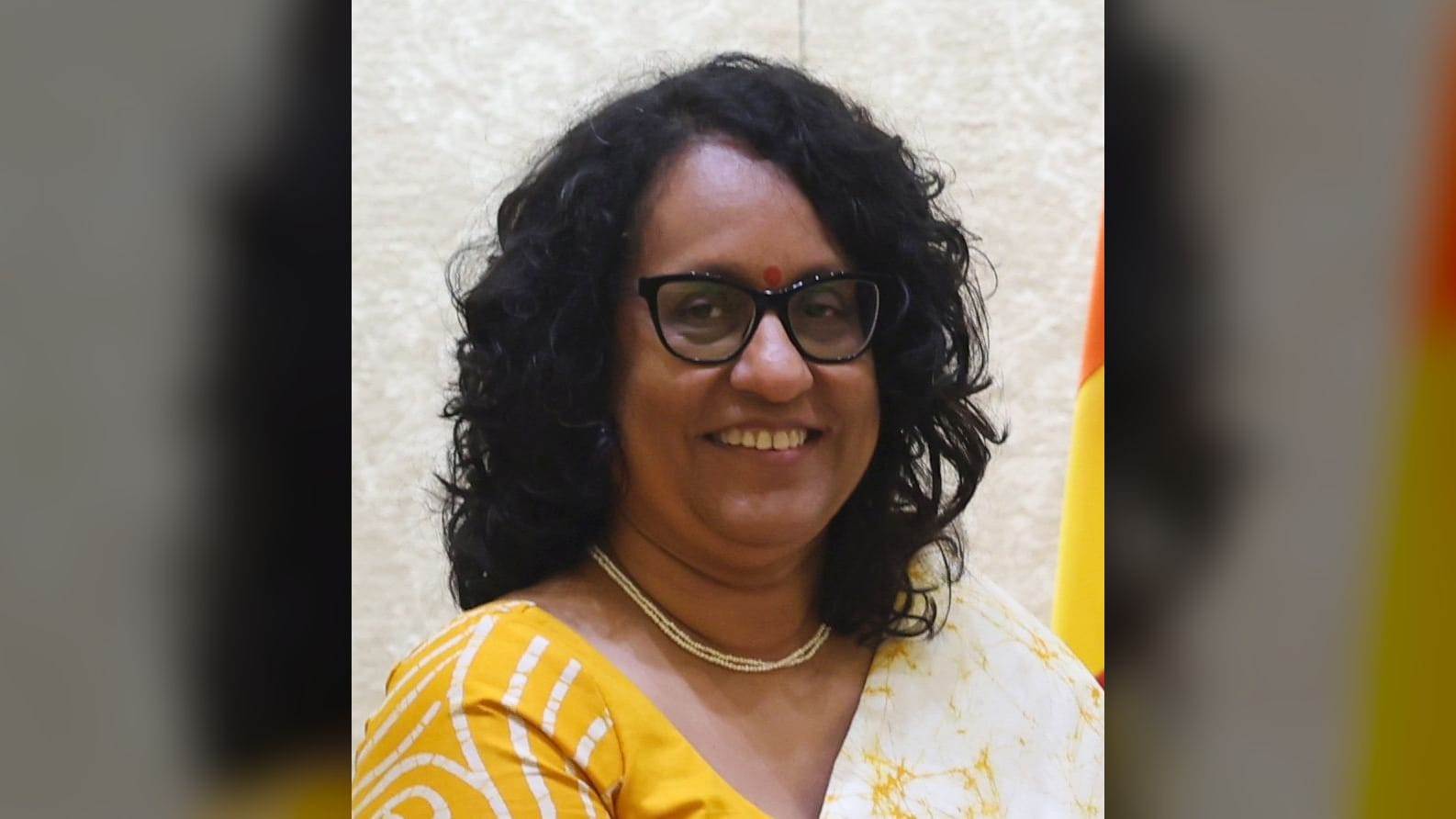
Politics The Prime Minister said education reforms aim to move from exam-driven, teacher-centred schooling to student-centred learning, and backed investment.
Nov 22, 2026
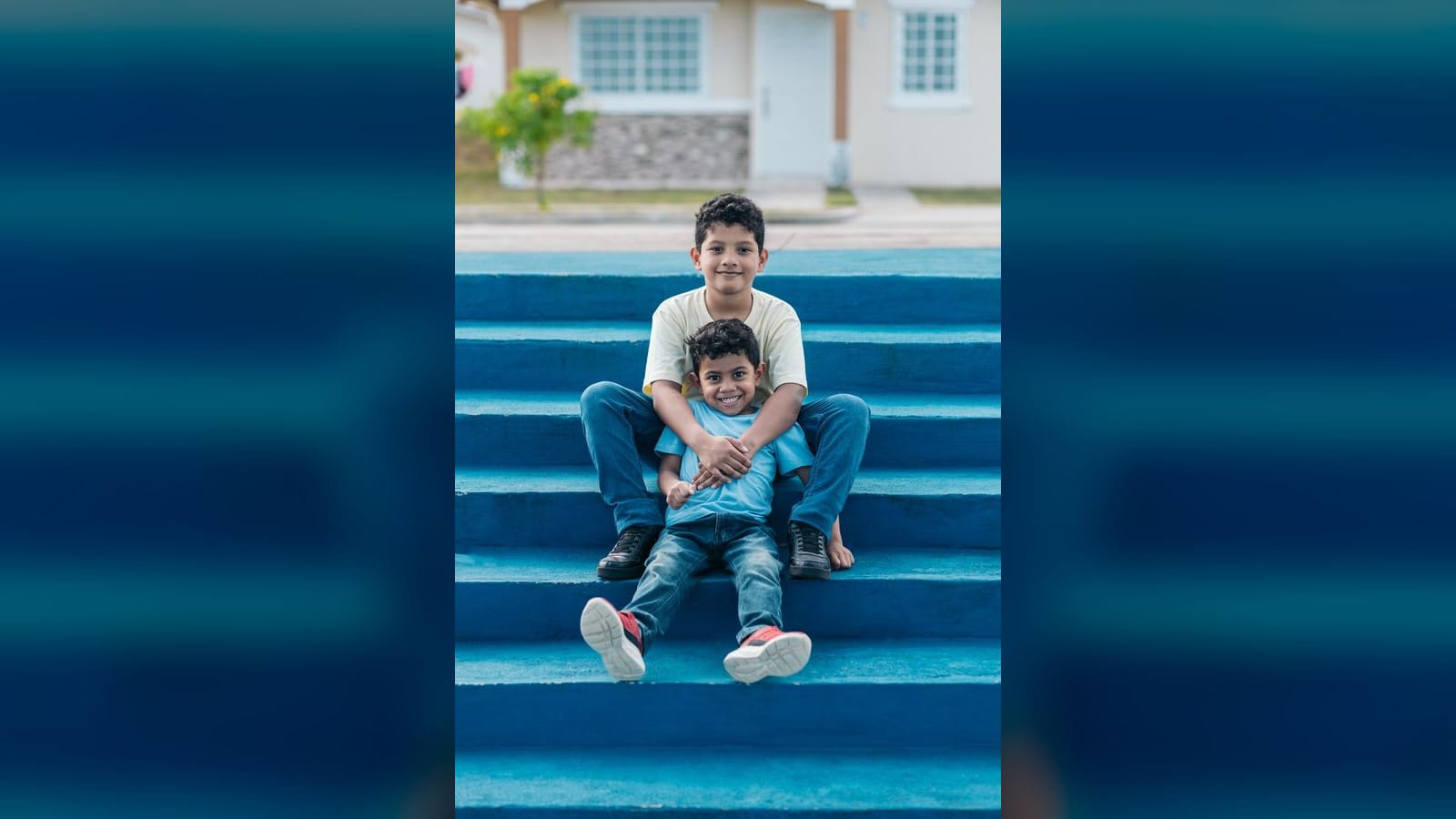
Politics Dissanayake and Amarasuriya issued messages for October 1, marked in Sri Lanka as both World Children's Day and Elders' Day. The PM focused on online harm.
Corroborated Oct 1, 2026
Technology Deputy Education Minister Madhura Seneviratne said digital student-safety policies will follow, and 169 primary schools were selected for development in 2026.
Sep 30, 2026

Politics Cabinet approves education reforms for Grades 2-6 from 2027. Curriculum builds on Grade 1 rollout. Teacher guides prepared.
Multi-source · 3 Sep 29, 2026
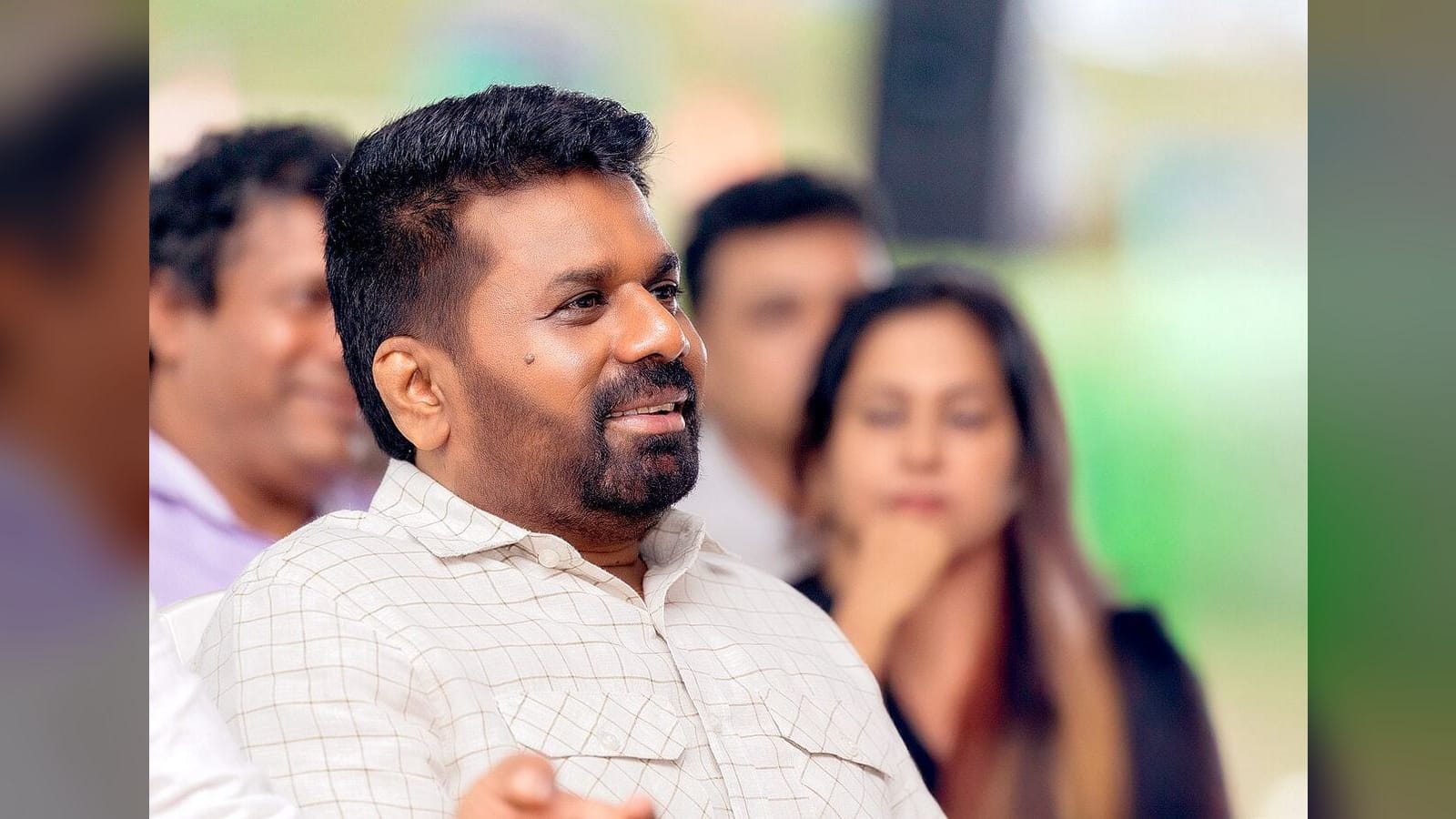
Business Addressing a rally in Akuressa, the President pledged tax removals, 1,000 communication towers, Grade Six education reform and an electric train project for
Sep 21, 2026
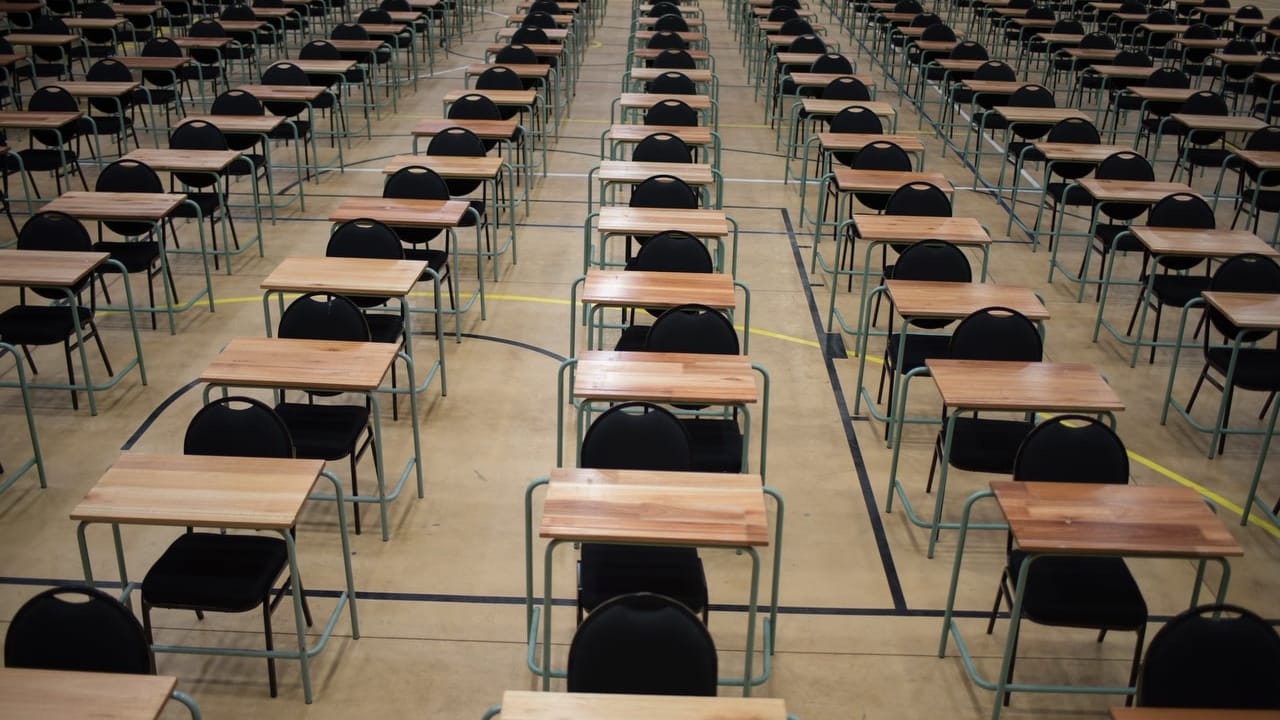
Politics The Education Ministry also wants weighted average marks to replace GPA. Three framework documents go to Cabinet; Grades 2 and 6 join the rollout in 2027.
Corroborated Sep 10, 2026
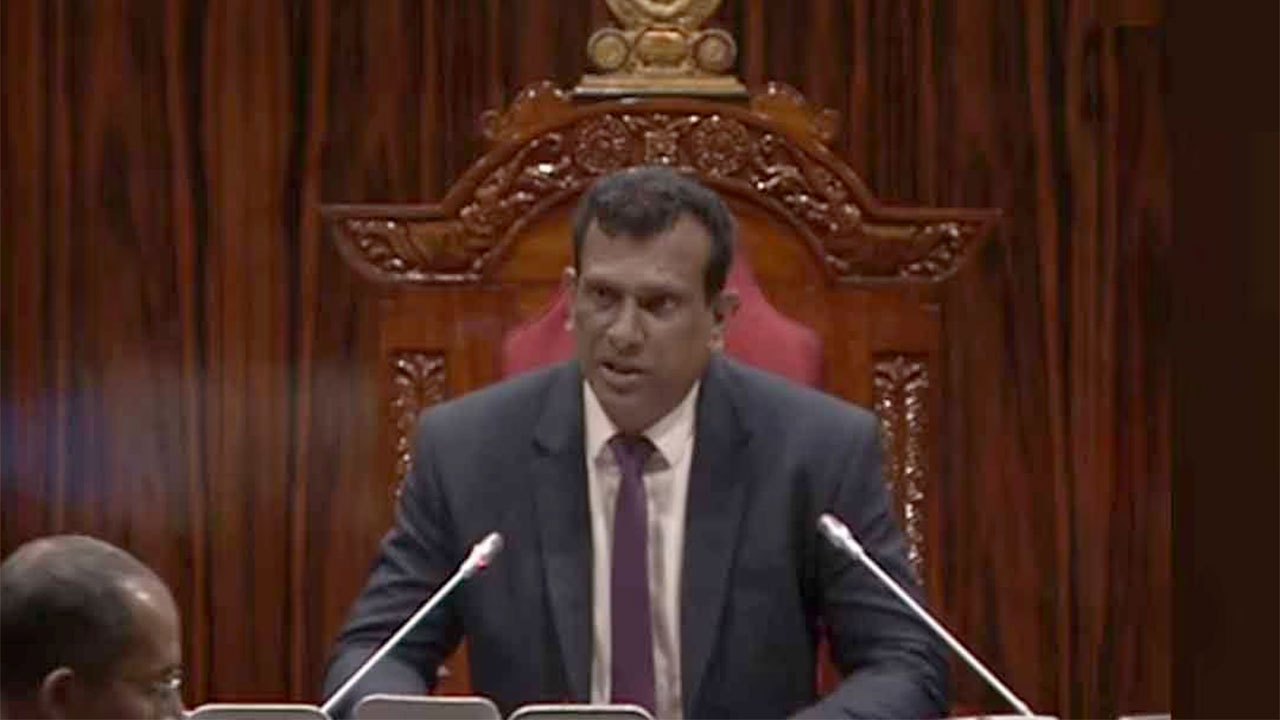
Politics The Employment of Women, Young Persons and Children (Amendment) Bill passed without a vote, lifting fines from Rs. 10,000 to Rs. 100,000.
Corroborated Aug 20, 2026
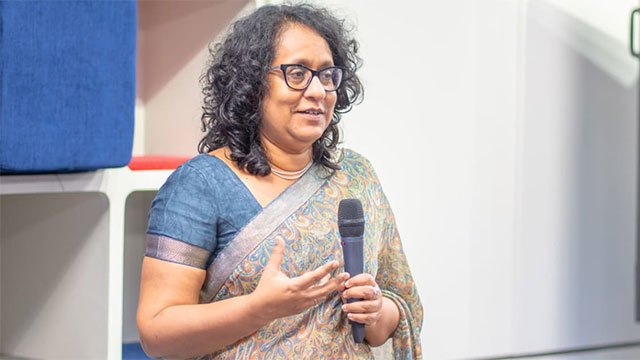
Lifestyle PM calls for education reform beyond exams, emphasising skills, creativity and experiential learning in overhaul.
Multi-source · 3 Aug 13, 2026
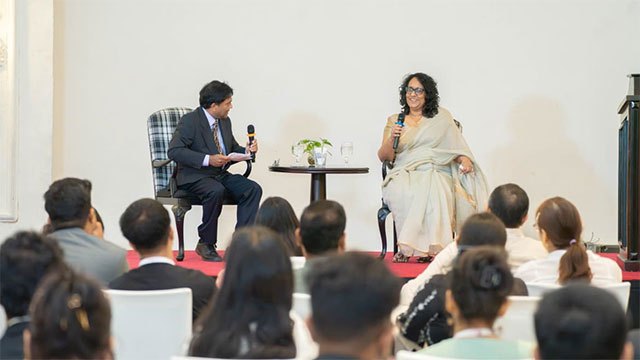
Politics Harini Amarasuriya addressed the ISA South Asia in World Politics conference in Colombo, the first of its kind held in South Asia.
Aug 7, 2026
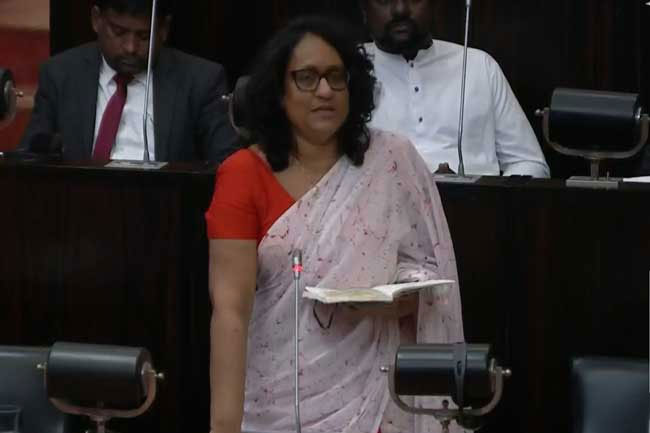
Lifestyle An expert committee has spent six months identifying issues, the first-degree intake stays at current levels, and new courses launch at Ruhuna and Peradeniya.
May 7, 2026
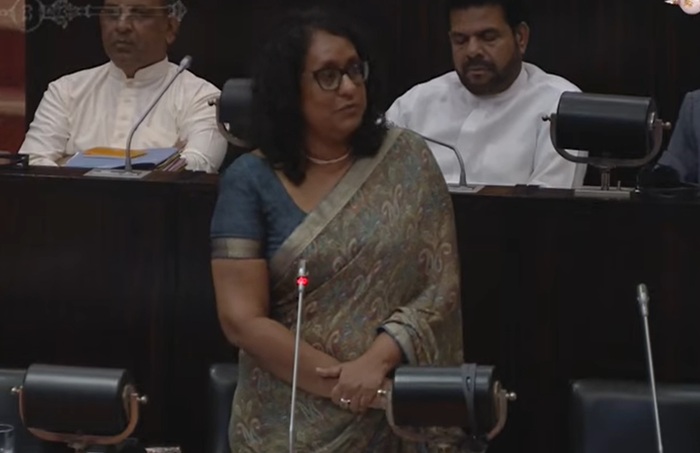
Politics Revised Grade 6 modules go to print this month, teacher training begins June; PM and Education Minister Harini Amarasuriya confirms the timeline.
May 5, 2026