World
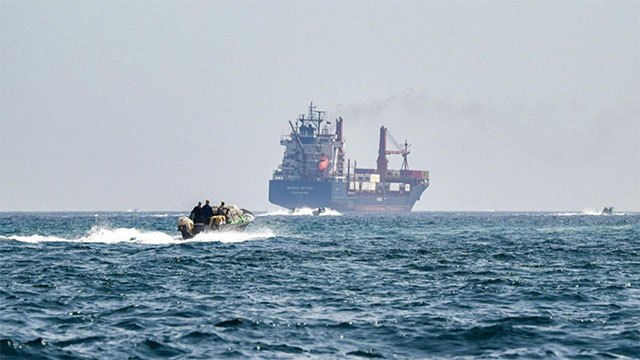
Iran could set 30-day deadline for Hormuz reopening under Tehran's management
Iranian negotiator Majid Shakeri tells Fars Tehran may give the US 30 days to remove threats before reopening Hormuz under Iranian administration with tolls.
Iranian negotiator Majid Shakeri tells Fars Tehran may give the US 30 days to remove threats before reopening Hormuz under Iranian administration with tolls.
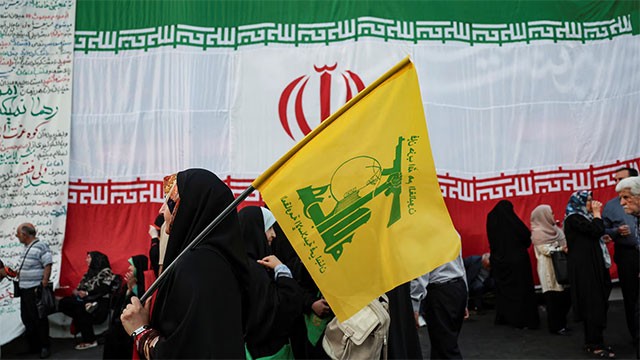
Iran's FM Abbas Araqchi told Al Mayadeen that the wider US-Iran peace deal cannot conclude without an Israeli withdrawal from southern Lebanon.
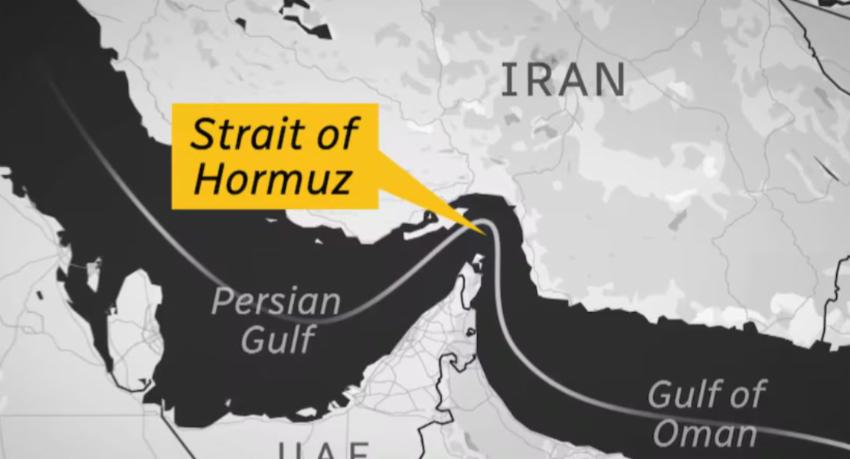
Iran would clear Hormuz mines within 30 days of a US-Iran deal and stop charging transit fees, opening the strait to all shipping, Nikkei reported.

Marco Rubio said the US will reach a good Iran deal or act 'another way,' as Trump's blockade-stays message tempered hopes of an imminent breakthrough.

Iran's Foreign Minister briefed his Saudi, Qatari and Egyptian counterparts on Pakistani-mediated talks aimed at ending the US-Israeli campaign against Iran.

Tehran says a draft US-Iran deal restores Hormuz traffic to pre-war volumes within 30 days, with a 60-day ceasefire extension and a full naval blockade lift.

US Secretary of State Marco Rubio said in New Delhi the world may get 'some good news' on an Iran peace deal within hours, sharpening the timeline.
Trump said an agreement involving the US, Iran and several Middle Eastern countries was largely negotiated, with the Strait of Hormuz to reopen under the deal.

Iran suspended all civil flight permits in the western sector of its airspace as US media reported Washington was considering further strikes over the weekend.

Saudi, Qatari and Egyptian indices fell Sunday after Trump said he was 'running out of patience' and Araghchi questioned US 'seriousness' on a deal.

Brent settled at $109.26 on Friday, up 7.84% for the week, as Trump and Araqchi statements dented hopes of a swift Hormuz reopening and US-Iran de-escalation.
ASPI rose 1.13 percent to 22,997 on Thursday, just shy of the 23,000 mark, as reports of a US one-page MoU to Iran lifted regional risk sentiment.
Brent fell 3.5 percent to $97.5 and WTI 3 percent to $92 as a US one-page MoU to Iran via Pakistan signalled a shift toward diplomacy over the Strait of.

ASPI sheds 205.7 points over the week as US-Iran tensions drag sentiment; foreign outflow hits Rs. 24.9 billion year-to-date.
Iranian MP Nabavian warned of complete cessation of regional oil production if the US resumes strikes on Iran, days into the Trump ceasefire extension.

White House Press Secretary Karoline Leavitt pushed back on reports the US has formally sought an extension of the Iran ceasefire, saying talks continue.

Brent crude falls 1.9% to $97.50 and WTI drops 2.3% to $96.83 as signs of renewed US-Iran talks reduce Hormuz supply risk.

Pakistan offers to host a second round of talks before the truce deadline while Saudi Arabia warns the blockade risks wider escalation.
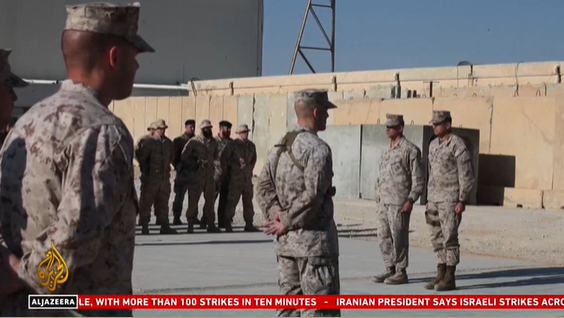
Fitch Ratings says Gulf ceasefire reduces severe scenarios but warns oil prices, supply chains and regional security remain highly uncertain.

Ghalibaf demands Lebanon ceasefire and release of frozen Iranian assets before negotiations can begin with the US.

Islamabad grants visa-on-arrival for delegates as first direct US-Iran negotiations since war began.

Legal scholars say US military action against Iran violates the UN Charter and could amount to war crimes under international law.